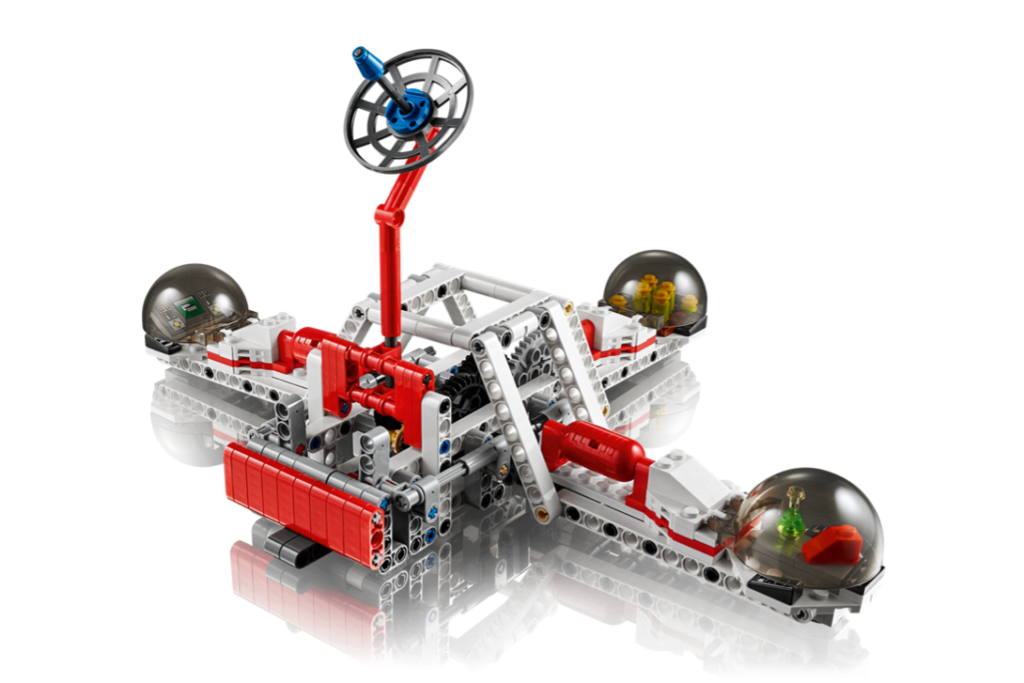
Establish the Outpost
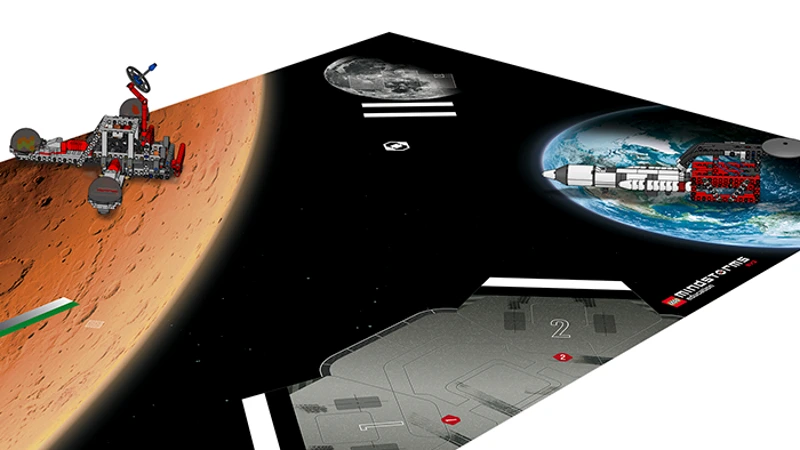
The robot completes a number of missions in a sequence, then navigates to the launch site and presses the launch button. The Rocket launches and when it reaches the Mars Outpost, it activates it.
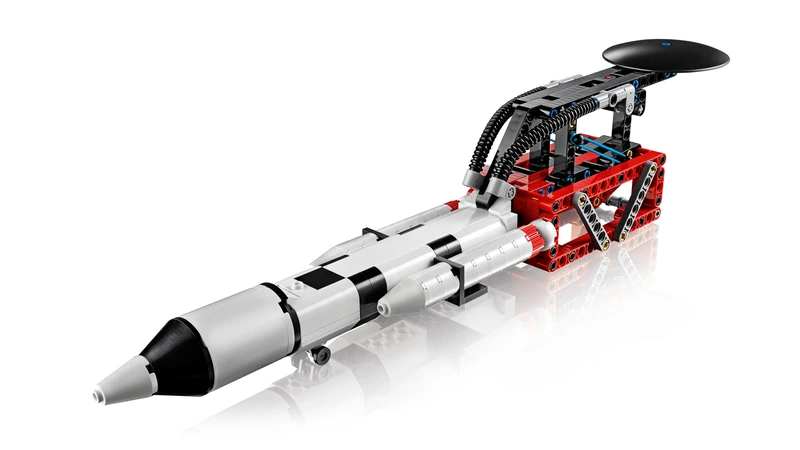
- Press the launch button to start the launch sequence and prepare to bring the first crew to explore Mars! Make sure that your Rocket reaches escape velocity.
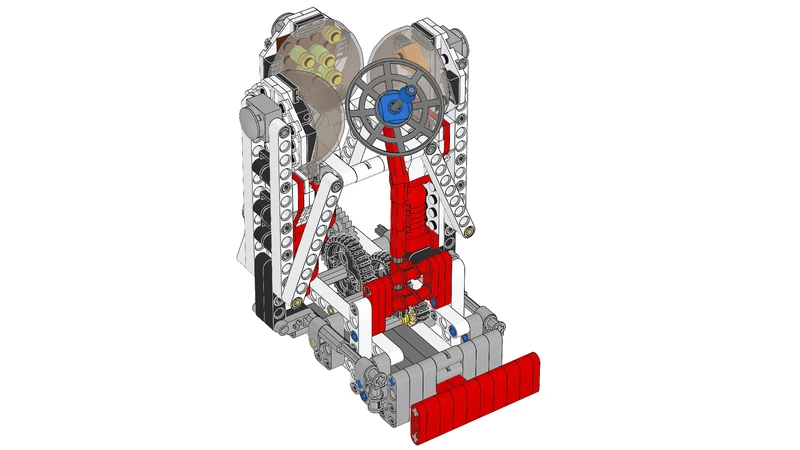
- Think about ways in which the robot could launch your Rocket to activate the Mars Outpost.
- With your partner, brainstorm ideas for solving this mission.
- Which type of motorised mechanism could be used to press the launch button?
- What are some ways in which the robot could navigate to the the launch site and press the launch button.
- Practice lining up your robot and sending it on the mission to launch the rocket to activate the Mars Outpost.
- Continue working on your robots until you’re ready for a judged attempt.